
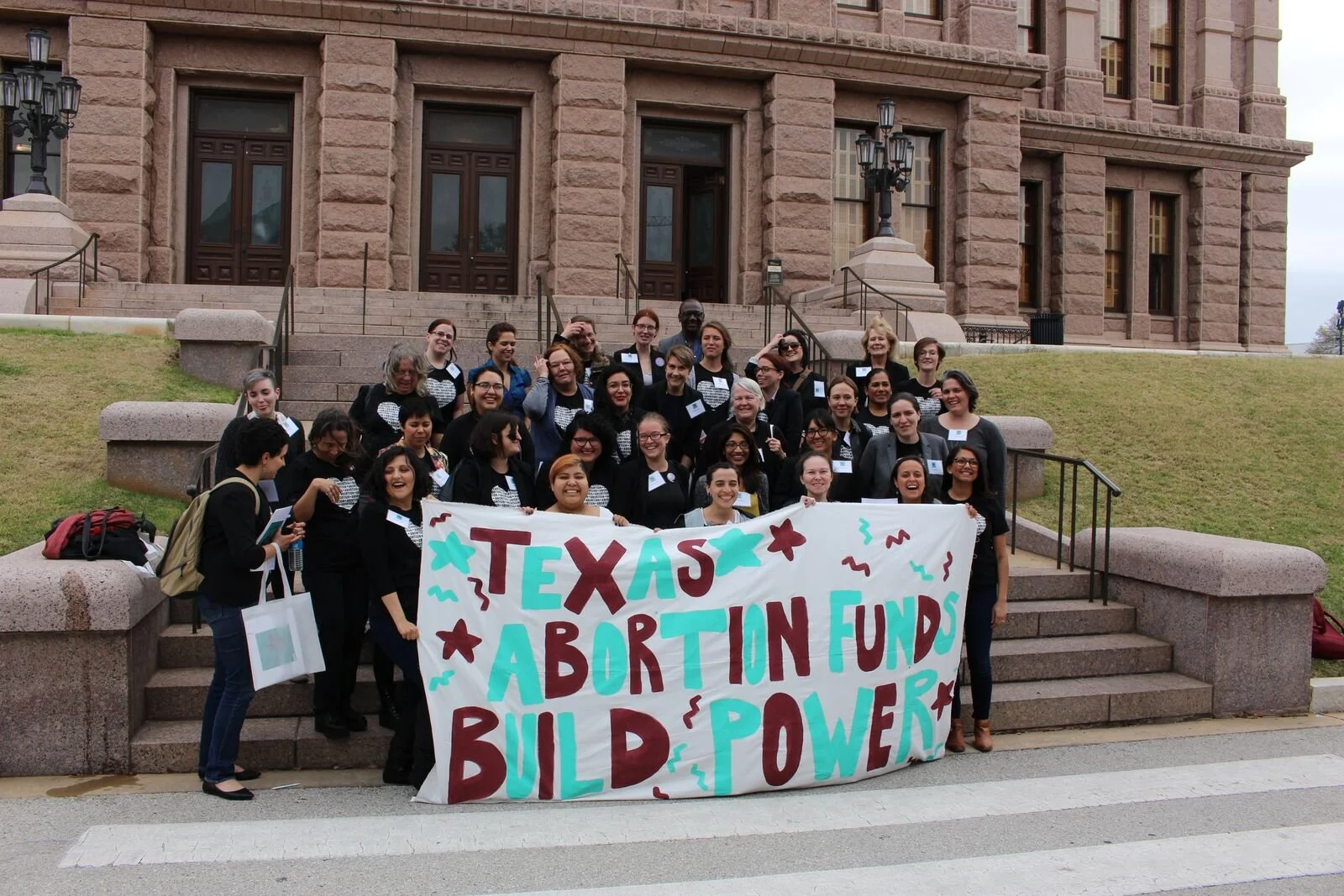
The History of Texas Equal Access Fund
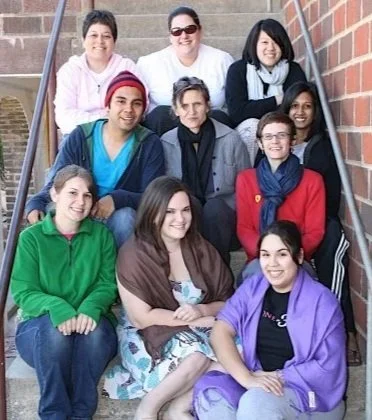
Picture of volunteers with Gretchen and Merrit
circa 2008
Introduction
Texas Equal Access Fund helps people pay for abortions. That has been true since 2005, and it is true today. What changed is nearly everything around that sentence. Who runs the organization? Who decides where the money goes? Who is served and who the organization trusts to lead it.
The organization that exists now is different from the one that started in 2005. It funds abortion through six-week bans, through the fall of Roe, through an attorney general who threatened to prosecute the people doing the work. It funds abortion, and it does more than that. It provides infant care supplies at community events, funds preventive reproductive health care, and stands with parents raising their children. It names abortion first and refuses to apologize for any of it.
The distance between those two organizations is the subject of this history. This is not an origin story, though it has a beginning. It is not a list of milestones, though the milestones are here. It is a story about power. Who held it, how it moved, and what changed each time it did.
Founding Era
Texas Equal Access Fund started in a feminist theory classroom. In the spring of 2004, Gretchen Dyer was teaching at the University of North Texas in Denton. She brought her own history as an activist into her classroom and encouraged her students to go beyond asking why things were the way they were and ask what were they going to do about it.
By November they had an answer. Gretchen, Merritt Tierce, and a small group of students and organizers pulled together the first house party at Gretchen’s cousin’s home in Highland Park in Dallas. That first fundraiser raised $625. In January 2005, they incorporated and became an official, registered nonprofit organization. From the beginning, they knew the work was about abortion funding. Cost was the biggest barrier when it came to accessing abortion and it’s something that can be directly addressed by actually helping people pay for their procedures.
At the time, a small circle of people held the organization together. Lynn Jackson was one of those people. She joined the organization in 2006. Her social work expertise and abortion fund board experience helped her become an anchor for the organization through its most fragile years. For most of this era, one donor covered most of the budget. His annual check of $76,000 sat inside a total budget that barely cleared $100,000. When the money arrived, the fund was able to stay open. When it was late, the fund had to pause until more funding was obtained. An organization built to serve people who had been failed by every system above them was itself dependent on the schedule of one wealthy donor.
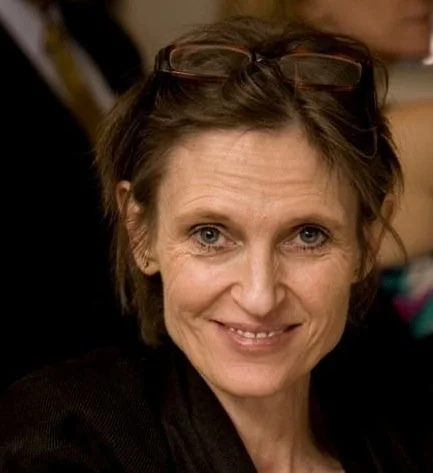
Gretchen Dyer, Founder
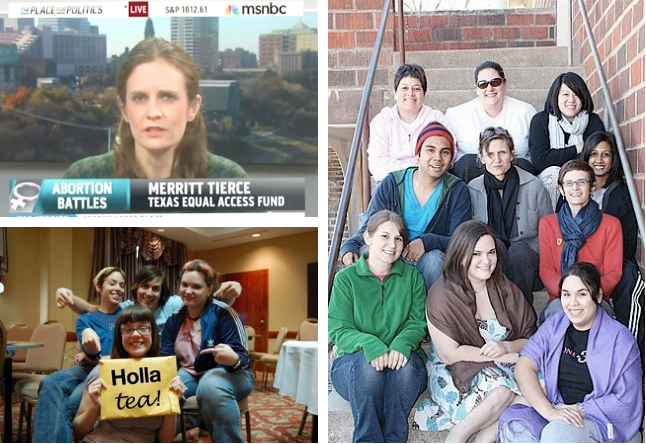
Gretchen had been the main driver. She had the vision and the connections, and as a screenwriter she had the time to give the fund what it needed. When she was gone, the organization faced a plain question of survival. Who leads something that has run this much on one person? That’s when Merrit stepped up. Merritt had moved in and out of the work over the years and had been close to Gretchen, and she stepped up now because she was not willing to let the fund shut down. Leadership stayed collective, which was both the strength and the strain. Everyone still standing was a strong leader with strong ideas, and the consensus process that had always made decisions slow did not get easier in a season of loss. Merrit led the organization through the 2013 legislative fight where extreme, discriminatory, targeted regulations shut down many clinics in Texas.
What the organization managed to do, in the middle of grief and national fear, was keep going. It is worth sitting with how close that came to not happening. A fund built on one founder's energy and one donor's checkbook lost the founder and kept the doors open anyway.
Transition Era
The ground was already moving when Nan Kirkpatrick became TEA Fund’s executive director in 2014. Across the country, abortion funds were starting a reckoning. Yamani Hernandez became the National Network of Abortion Funds executive director and was pushing funds to treat racial justice as inseparable from abortion access, not as a side project. Lynn Jackson had left NNAF as a board member just before this turn of events. The whole ecosystem was shifting, and the person who walked through TEA Fund's door in August 2014 arrived already thinking about race and power.
Nan became executive director with almost nothing to run the organization on. One donor still covered most of the budget. His roughly $76,000 sat inside a total of a little over $100,000, with a bit from a local foundation and a thin base of individual donors. There was no real budget document, only a profit and loss sheet. When Nan asked to see the budget, that sheet was what existed. The board was mostly social workers who came to the work to help people directly, and fundraising, which meant asking wealthy people for money, was the last thing many of them wanted to do due to lack of experience.
None of that was a scandal. It was what a young organization looked like before anyone had built the machinery of governance. But it told Nan what the job was. The board did not yet know everything it was responsible for. The fund did not yet have a clear account of how it made decisions or who owned what. The executive director made most calls by default, not by design. Before TEA Fund could shift power on purpose, it had to build the structures that power runs through.
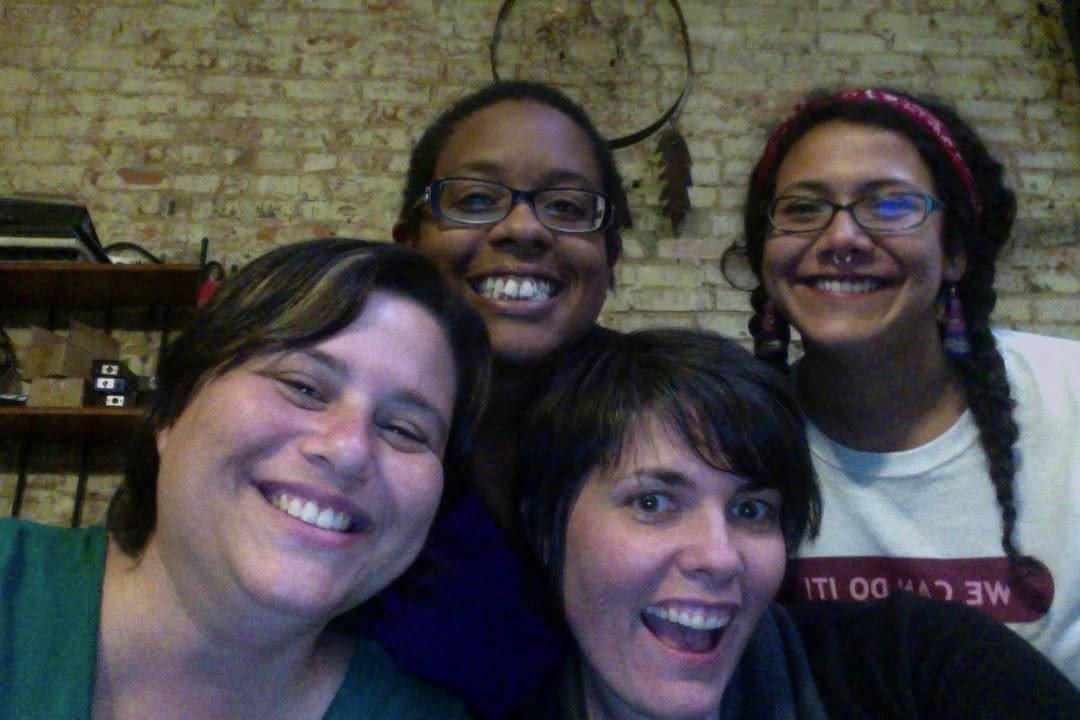
Nan with TEA Fund board members
So that is where Nan started. They built an actual budget. They worked to pull the board into real fundraising and into understanding its own governance role, training people through their discomfort with asking for money. It was unglamorous work. It was also the precondition for everything that followed. An organization cannot hand off power cleanly when it does not yet know how it holds power in the first place.
Then came the decision that proved the values were real.
In September 2014, weeks into the job, Nan went with board president Sulan Chang to the annual meeting with the donor whose money kept the lights on. What he said in that room made his motives plain. His giving was tied to population control, and the way he spoke about it was something the organization could not stand behind. Nan left that meeting clear. TEA Fund could not keep taking this man's money. They brought it back to the board, and the board agreed it needed a plan to survive without the funder who accounted for most of its budget. In 2015, his representative asked whether TEA Fund would partner with the Population Media Center. TEA Fund declined, and the relationship ended.
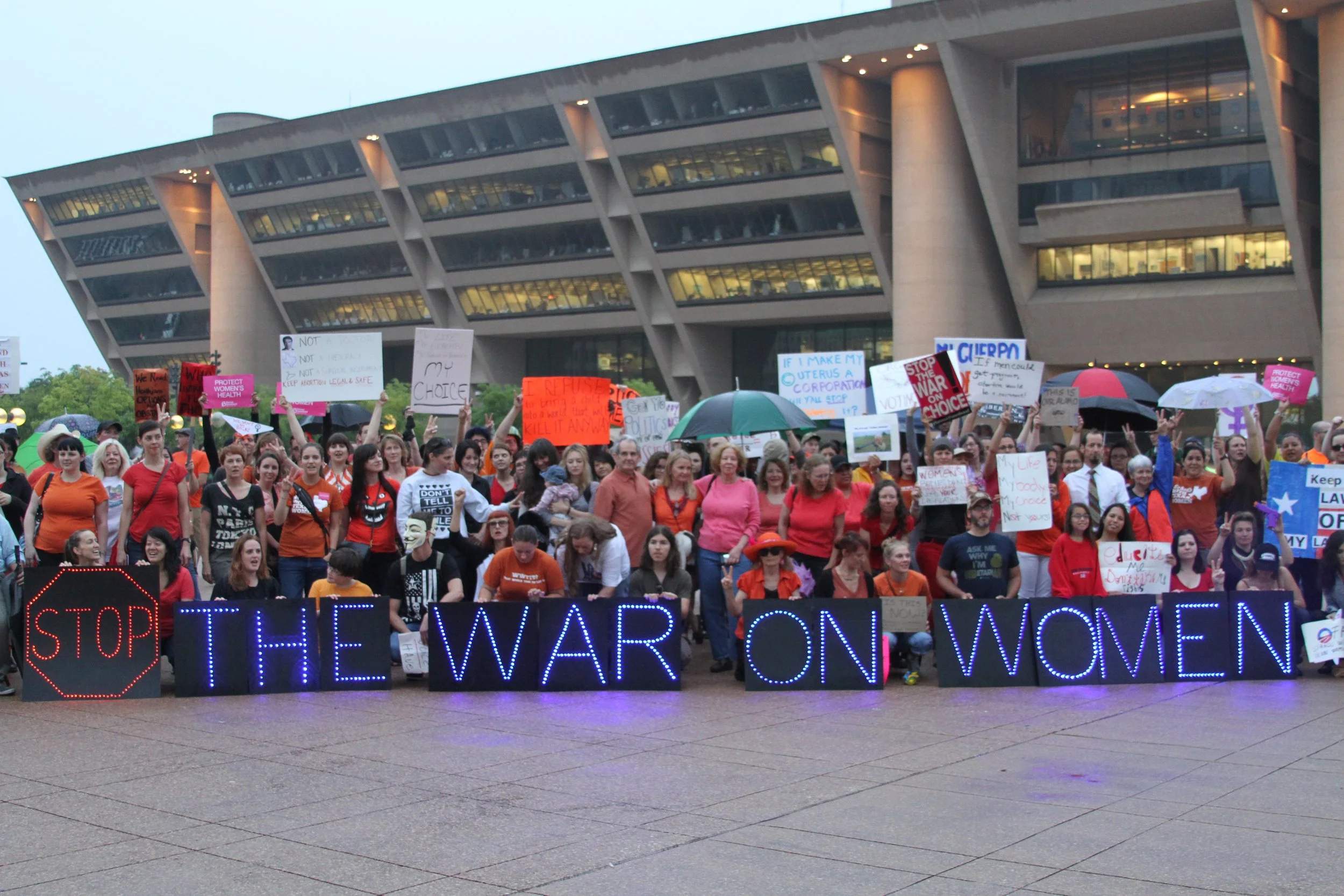
Rally in front of Dallas City Hall for the 2013 National Day of Action to Defend Abortion Rights
Sit with the math. A young governing board and a first-year executive director walked away from roughly three quarters of their funding because the money came with values they refused to hold. The fund that used to shut down when one check came late now let that check go on purpose. That is what it looks like when an organization decides its principles are not for sale.
The same conviction moved into public view that year. When police killed Michael Brown and uprisings spread, including in Dallas, TEA Fund put out its first public statement on racial justice. Some donors recoiled. One canceled her monthly gift and redirected it to a pit bull rescue instead, because her husband was a police officer. Nan did not chase her. Donors could get in or get out. What replaced donor appeasement was donor organizing, the belief that supporters could be brought along through honest conversation rather than managed through silence.
From there the coalition work grew fast. TEA Fund connected with the Afiya Center, the Texas Organizing Project, and the Worker's Defense Project. It joined Black Mamas Bail Out and helped build Repro Power Dallas. It showed up for the Dallas paid sick leave campaign. When a coalition partner's base seemed cool on abortion, TEA Fund ran a reproductive justice workshop with the Afiya Center that helped bring them in. In 2016, TEA Fund hired its first staff person outside the executive director, and that person was an organizer. An organization tells you what it is becoming by what it staffs first. TEA Fund staffed movement work.
The last piece of this era was the most deliberate of all. Nan came to believe that TEA Fund's long-term leader should be a person of color, and they acted on it before leaving. Nan could not fund a co-director on the budget, so they shored up fundraising to raise the executive director salary, which had sat too low to attract or keep the leadership the organization needed. During a training, the thought surfaced that the next executive director was already inside the building. Kamyon Conner had served on the board, had run intake and the helpline for years, and knew the work from the inside. At a 2018 board retreat, after a night that ended in a slumber party, Kamyon said the next morning that she was going to apply.
Black-Led Era
Here is where the whole distance this history has traveled becomes visible in a single sequence. When the draft decision from the Supreme Court leaked, TEA Fund did not freeze. It read the warning and moved. Its own attorneys flagged that Texas could revive pre-Roe statutes to prosecute the people doing the work, so in June 2022 the organization paused helpline abortion funding on purpose, to protect its staff and its callers. It joined other Texas funds to sue the attorney general and local district attorneys in Fund Texas Choice v. Paxton. And it did not go quiet while it waited. It kept serving, funding other kinds of reproductive care including preventive care inside Texas, launched the My Choice, Not A Crisis campaign, and held its first infant care resource drive. When the first favorable ruling came, the fund reopened abortion funding in March 2023.
The instinct to choose values over comfort did not stop at the state line. In 2024, TEA Fund released a statement of solidarity with Palestinians and others facing genocide. Backlash followed from major donors. The organization held its position rooted in reproductive justice values. By then this was not a surprise. It was the same muscle the fund had built when it walked away from a donor in 2014 and put out its first racial justice statement the same year. Conviction, and the willingness to lose supporters over it, is an example of how TEA Fund operates firmly from their values.
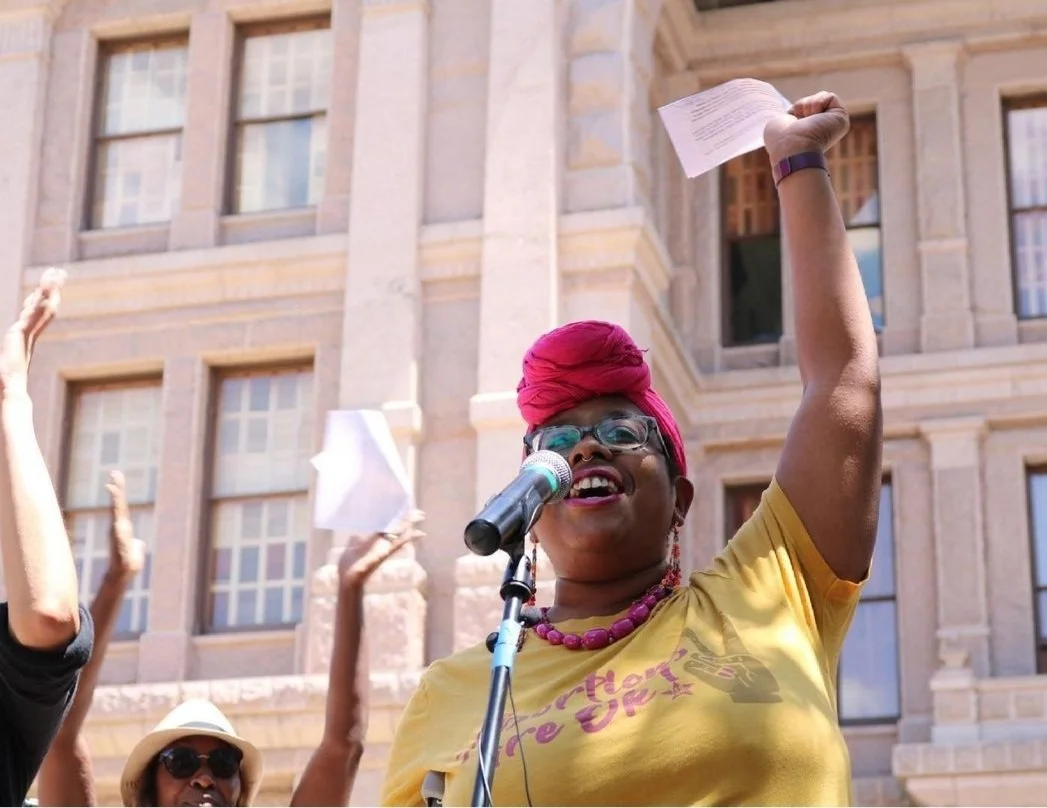
Kamyon speaking at a rally at the Texas Capitol in 2021 against the 6-week abortion ban passed by the legislature.
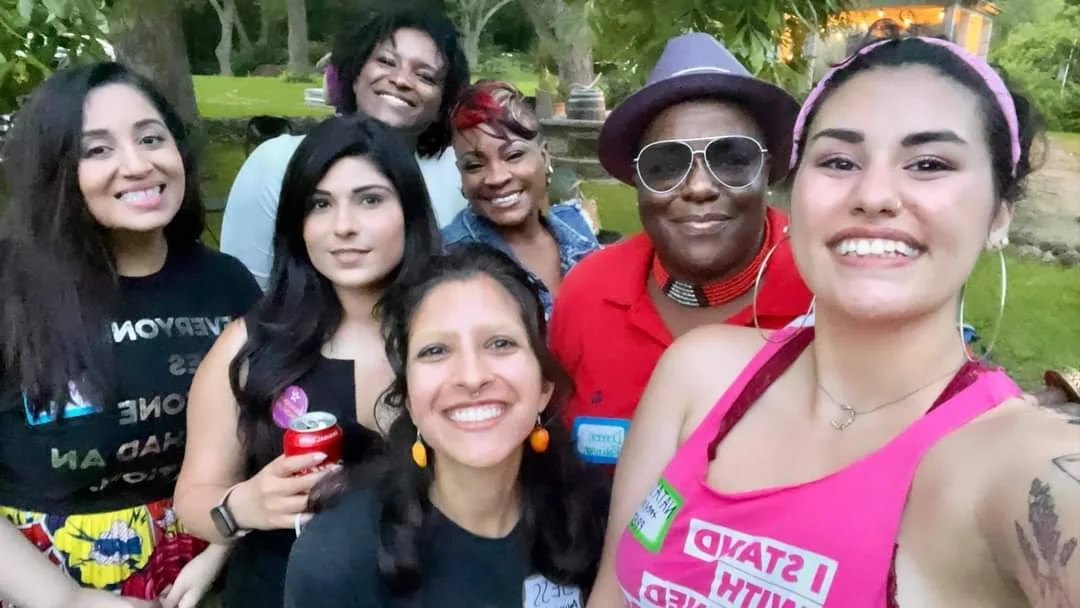
Deputy director Maleeha with with a group of staff from partner organizations at our Abortion Ban-fire, an event to provide space for supporters to express their frustrations with elected officials after they passed SB8, Texas’ 6-week abortion ban.
The organization that exists now would be hard to recognize from the volunteer checking a single voicemail box in 2005. Under Kamyon Connor’s leadership, the organization grew from a budget of $600,000 a year up to $2 million. The organization added more staff, including a Deputy Director who participated in a documentary about crisis pregnancy centers called Preconceived. In 2025, TEA Fund helped host the largest Texas Abortion Funds Advocacy Day yet, with almost a hundred activists and storytellers. TEA Fund also expanded its communications and public relations efforts by getting more earned media, like participating in an extended interview with Paola Ramos with VICE. In 2026, it appeared on its first Univision morning segment, talking about its infant care resource drives and its abortion funding in the same breath, the both/and on live television. The development team worked with local filmmakers to create TEA Fund’s first ever commercial that has been screened at local film festivals.
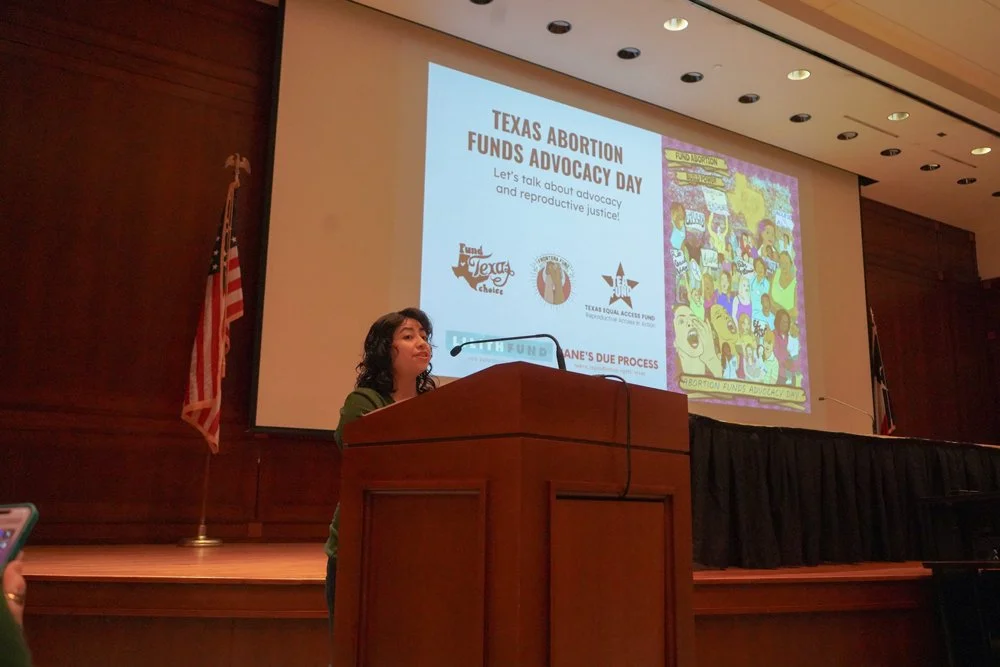
Campaigns Director Ana Rodriguez speaks at the 2025 Texas Abortion Advocacy Day at the Texas Capitol
The scale tells its own story. In 2025 the fund moved more than $400,000 into out-of-state abortion care that helped 681 people reach abortion services across state lines, delivered more than 1,600 repro kits, and supported hundreds of families at its infant care resource drives. Most of the people it served were Black and brown Texans, and more than half had no health insurance. The fund did not drift toward the people it serves. It was rebuilt, on purpose, to be led by them.
Which returns us to the question underneath all of it. Who decides? For the first decade, the people in the room decided, and the room did not look like the people on the phone. Through the transition years, a white executive director rebuilt the money and the governance and then handed power away deliberately. In the era that followed, a Black queer woman who had come up through a leadership pipeline took hold of that power and showed what it was for. In the past a lack of funding could shut the old organization down. Nothing about the new one is that fragile, because the new one belongs to the people it was always meant to serve. That is not a story about diversity. It is a story about the impacts you can make when you yield power to Black women.

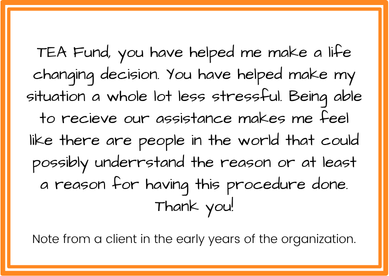
Note from a TEA Fund Client in 2019